Wabamun Hotel
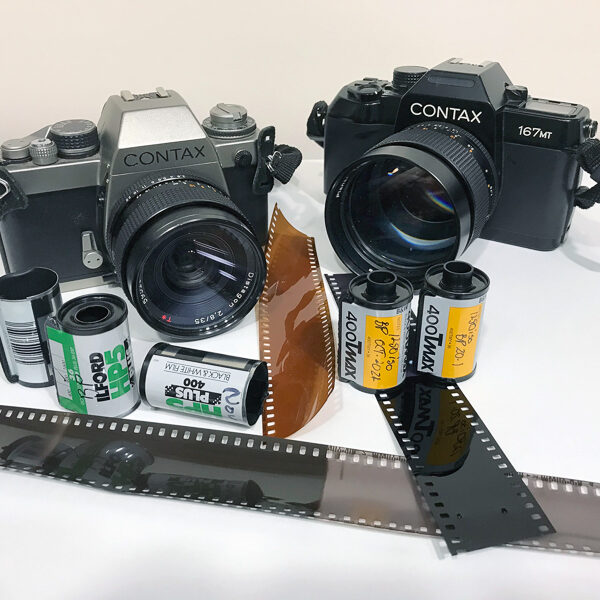
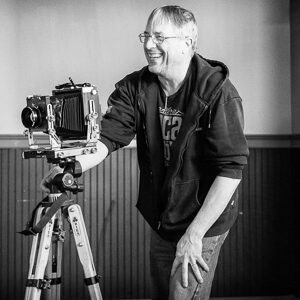
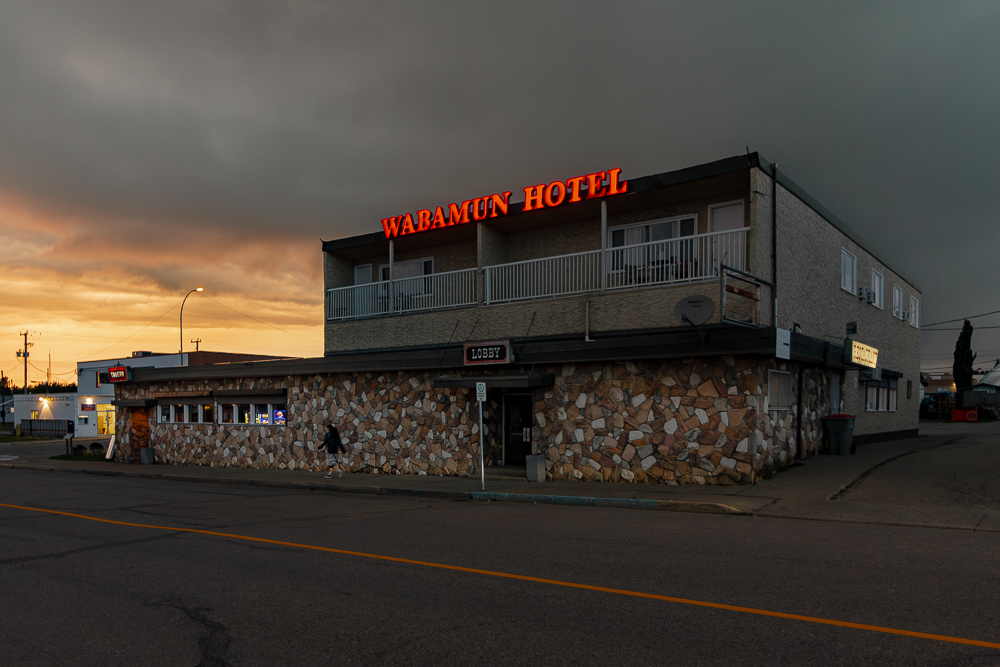
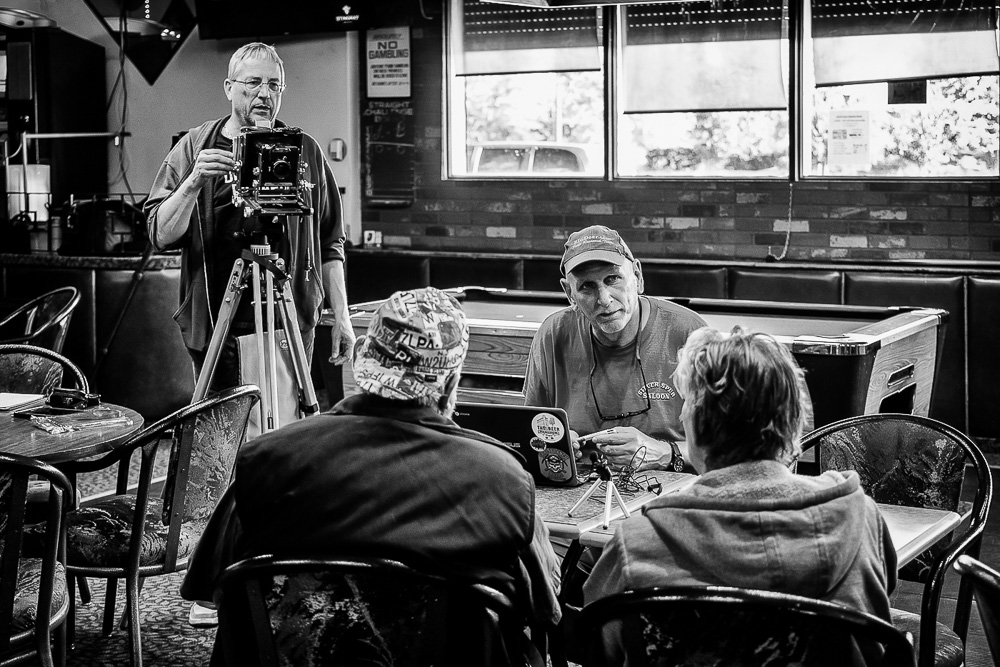
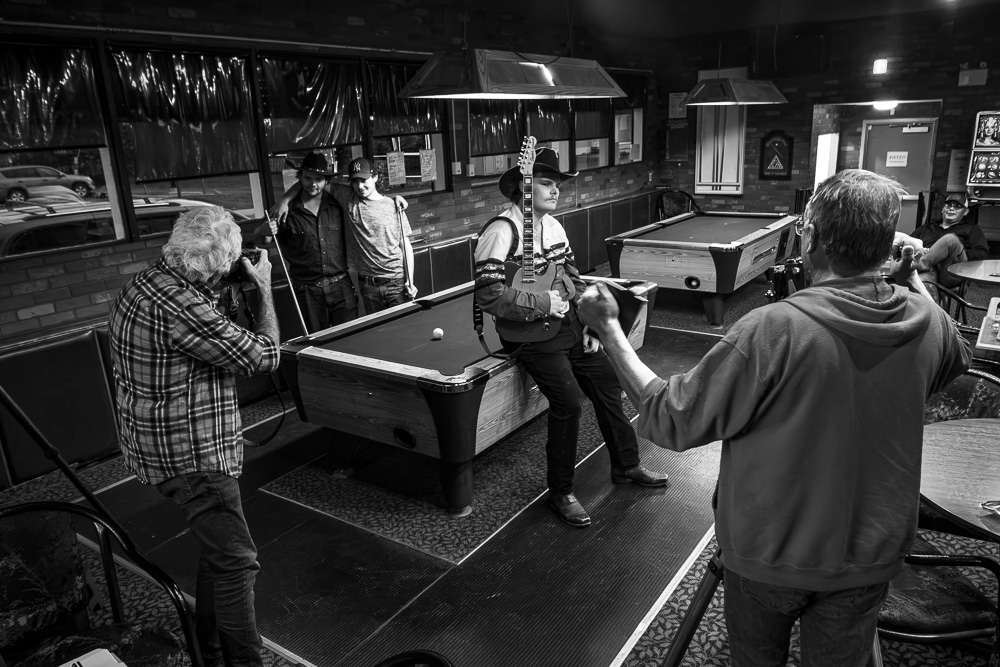
BP 35.0: The Wabamun Hotel, Wabamun Alberta, built early 1960s. Visited August 16th, 2025. Team: Rob, Chris & Connie. Guest photographer Byron Robb. Camera Gear: Ebony 4×5″ View Camera (Film), Contax 35mm Film, Canon 6D & 70D. Byron: Canon R5 & R6.
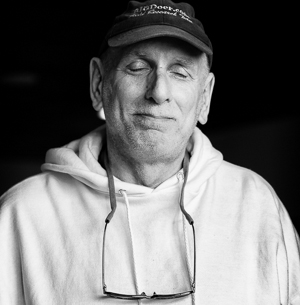
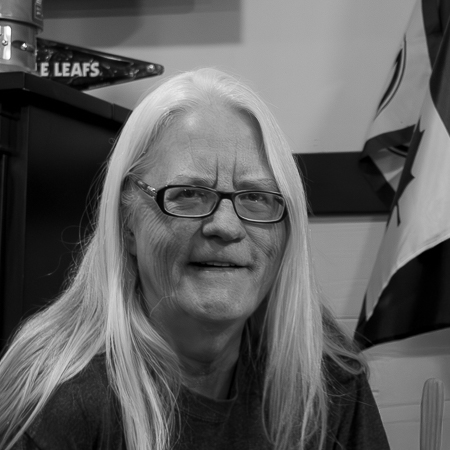
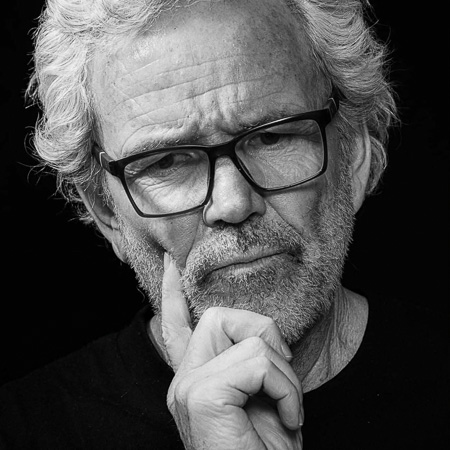
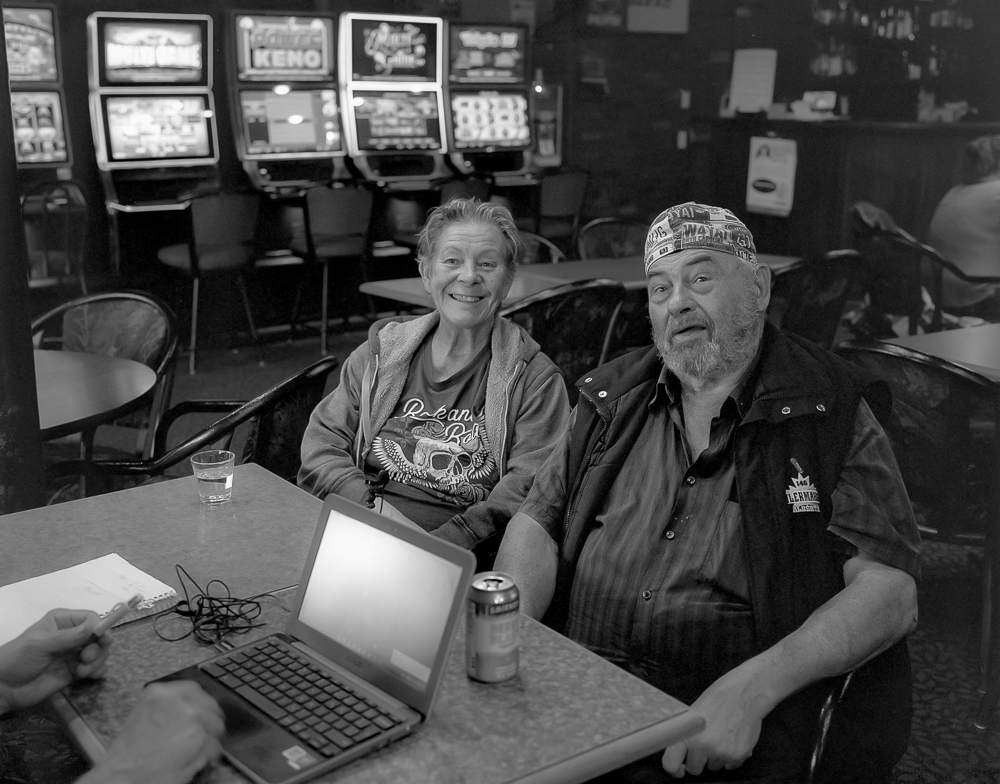
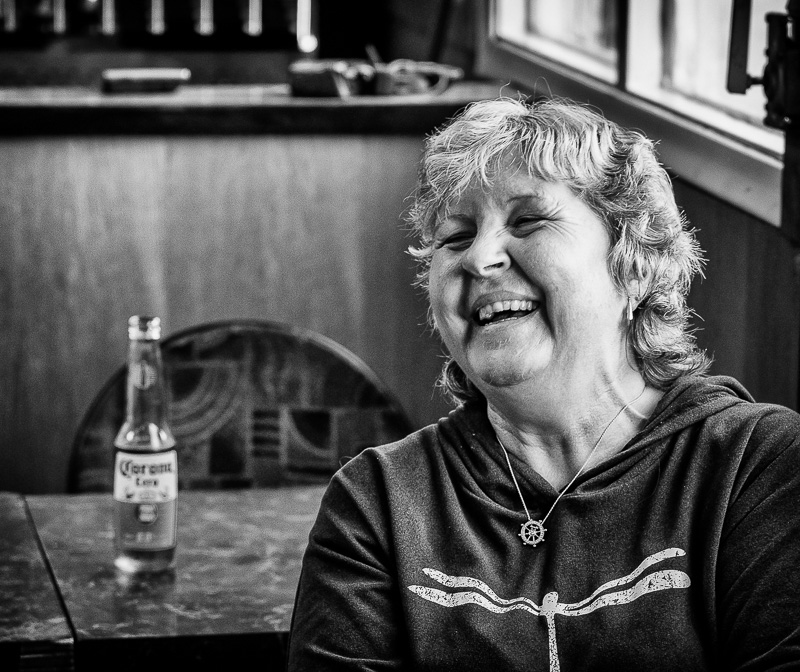
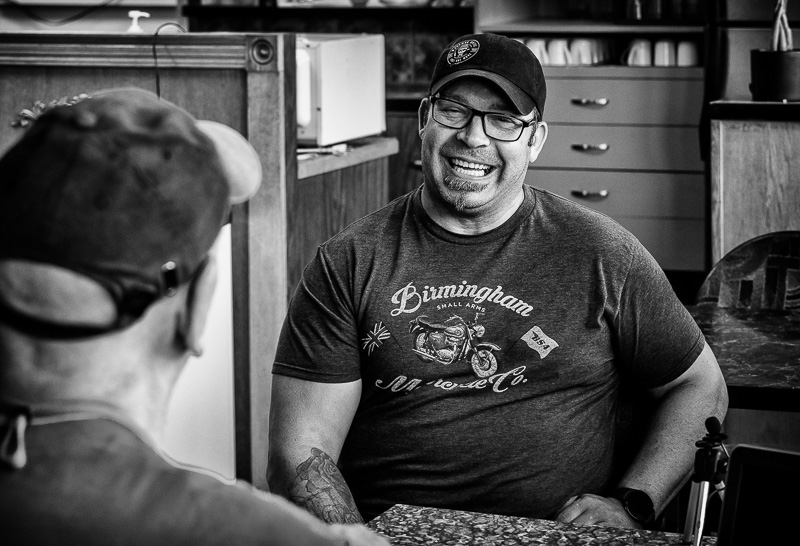
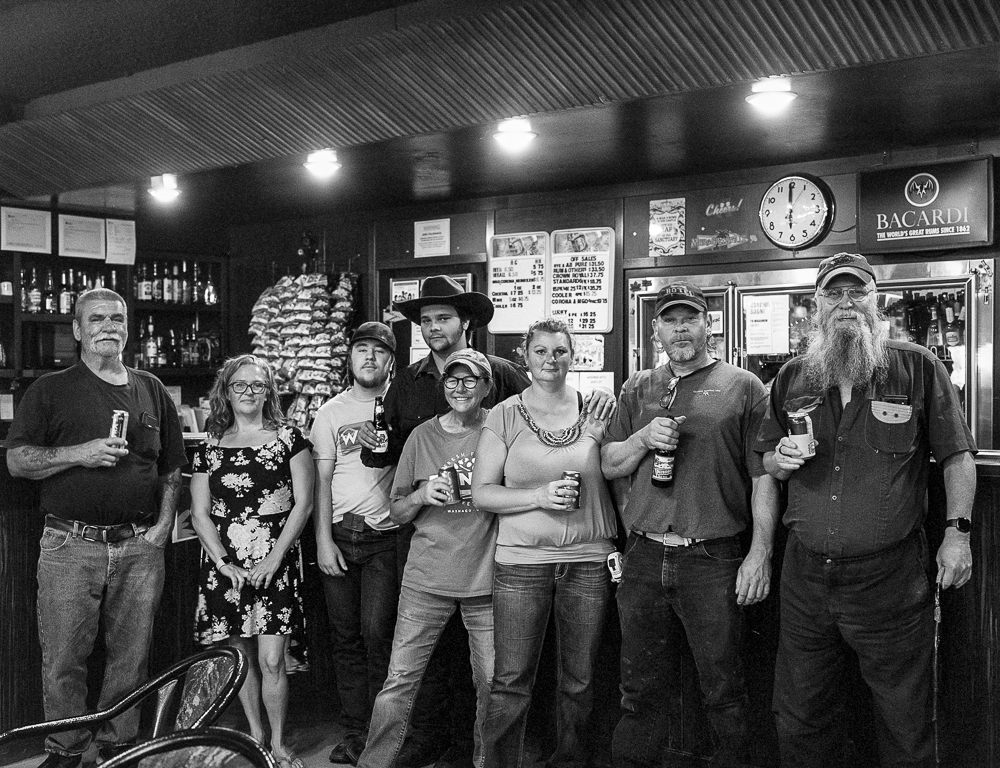
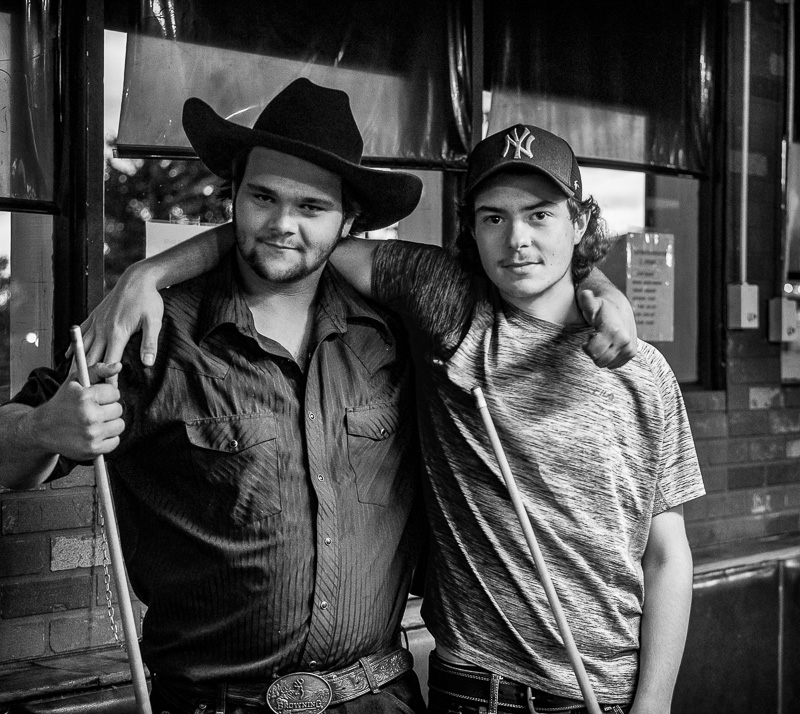
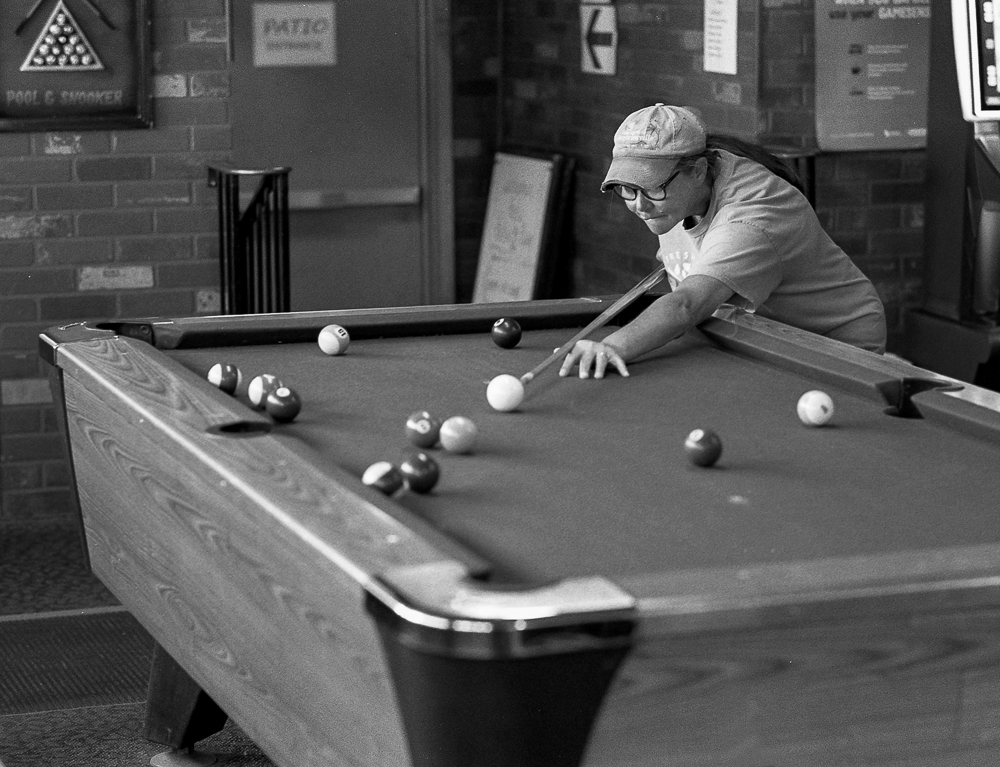
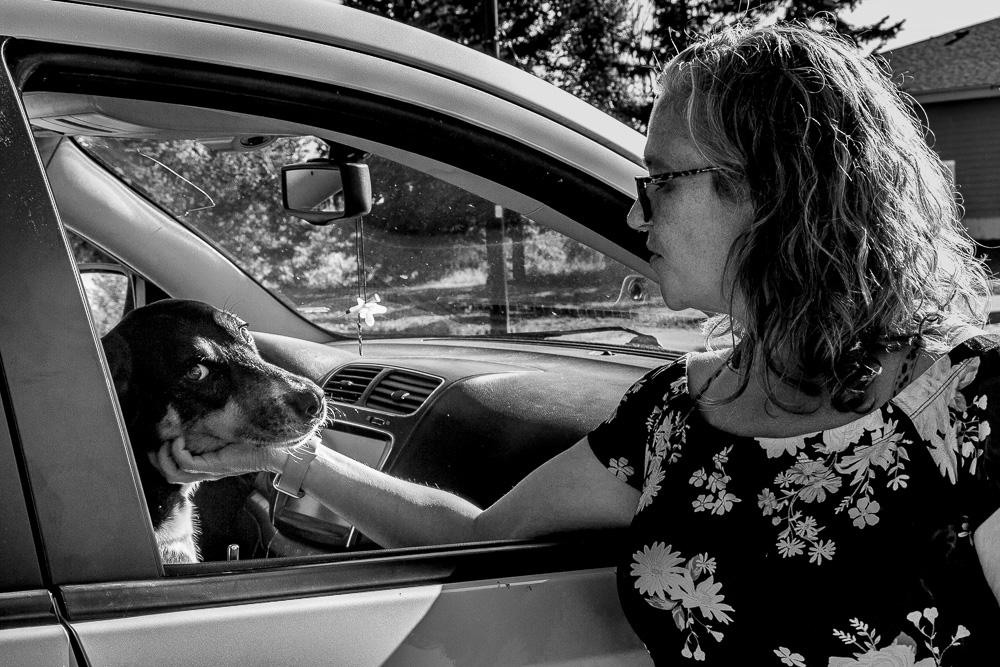
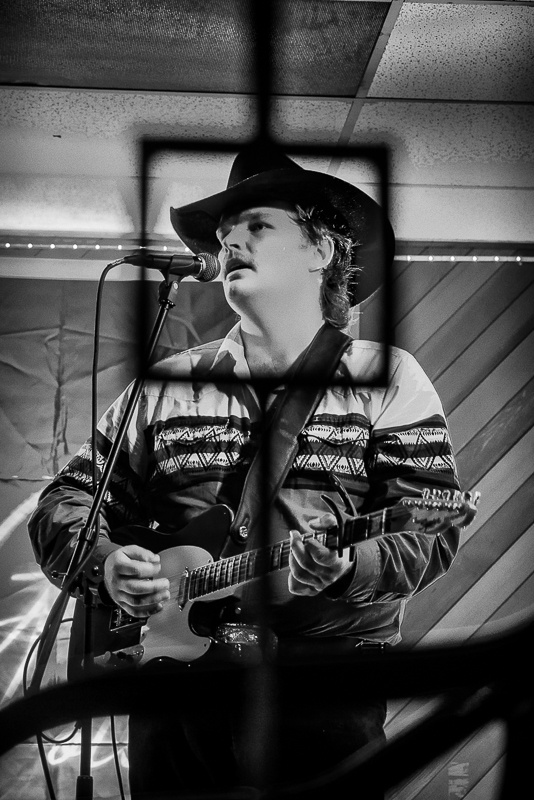
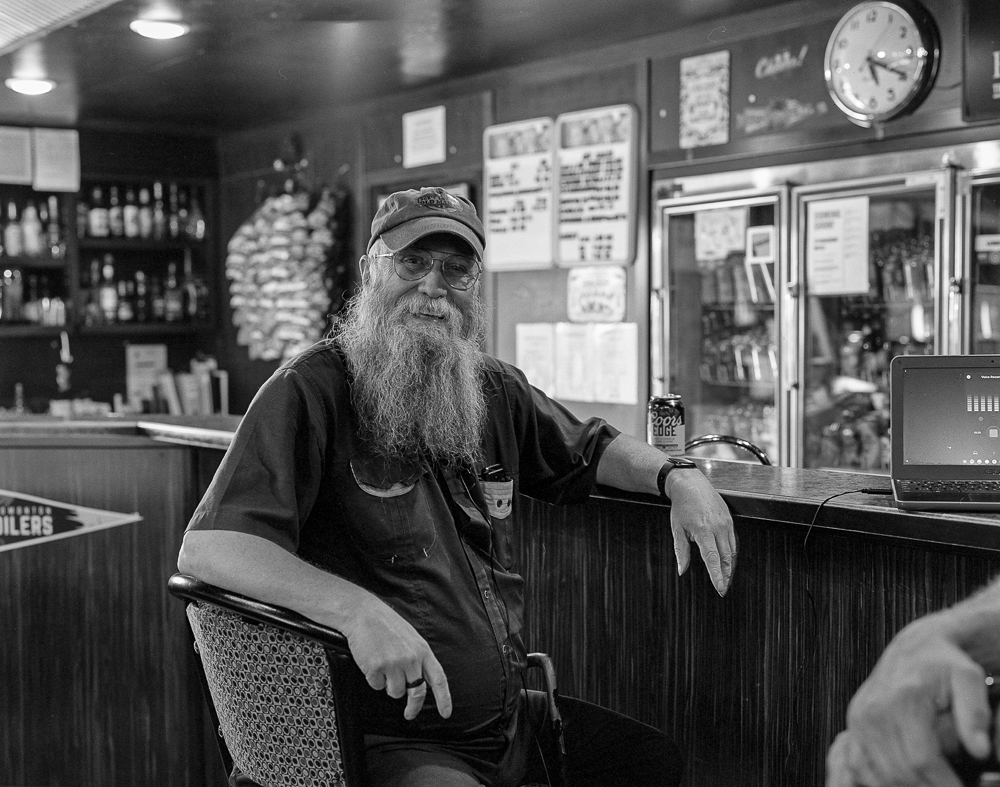
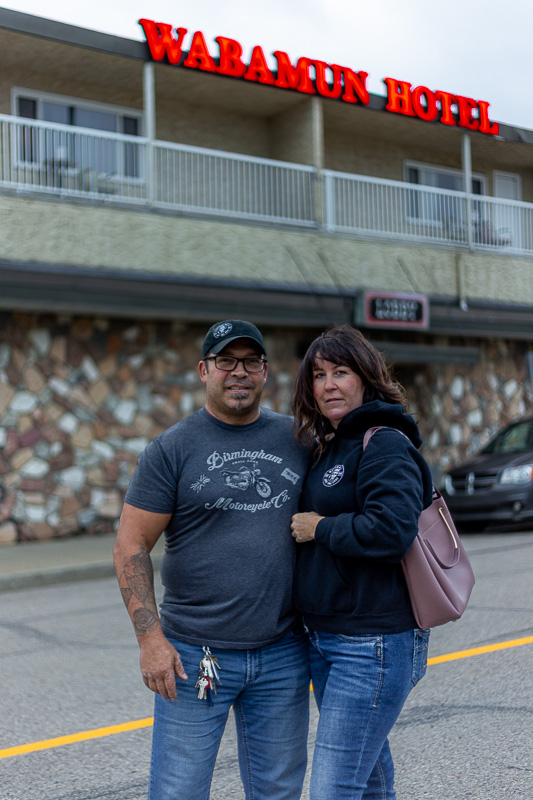
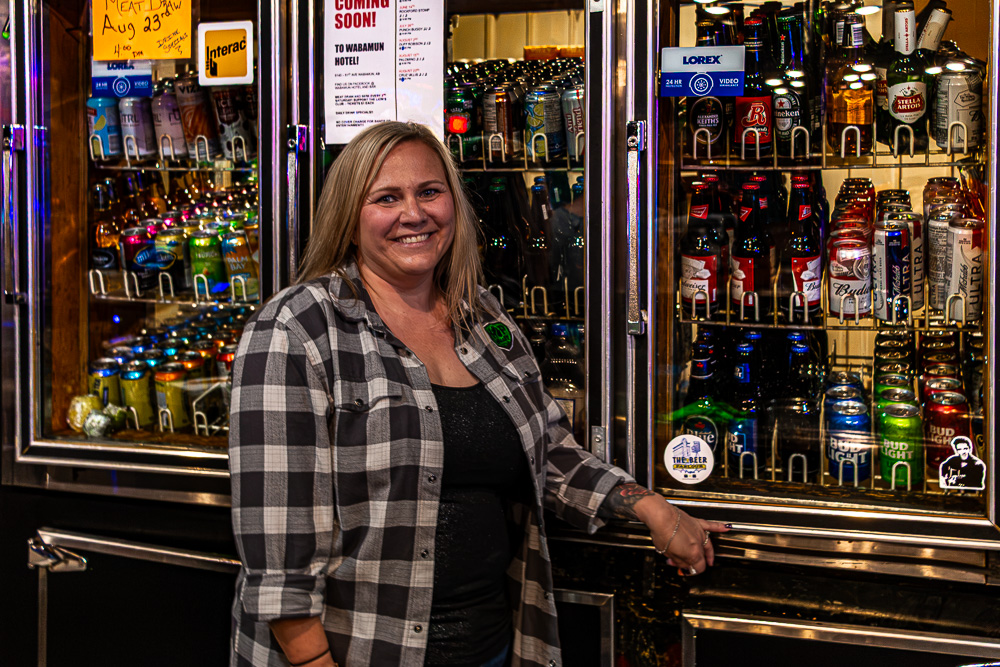
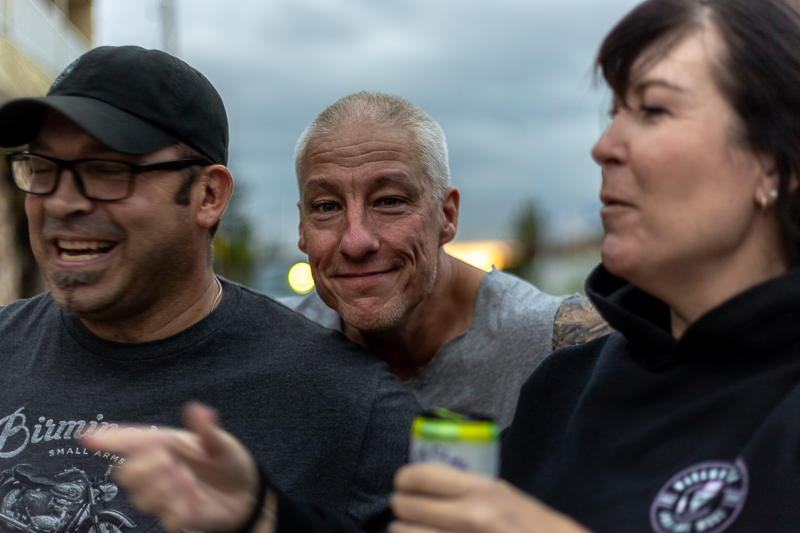
Interviews conducted with: Vicki (owner) & her son Jonathan (manager), Doris & Ron, and Richard (patrons).
Wabamun was established as a post office in the early 1900s. Its location, and that of the small settlement it served, was across an inlet of Wabamun Lake, a little to the east of the present townsite in what is known as Moonlight Bay.
Concurrent with the arrival of the railway about 1910, the community moved to where it is today.
Wabamun’s population was 200 in 1913, but by 1920 had been cut in half. It increased to 150 by 1930 and to 250 by 1940. It then dropped again during the Second World War and slowly grew to about 600 by 1980. The population has hovered between 650 and 700 ever since.
The community is named after adjacent Wabamun Lake. Wabamun is an anglicized Cree word describing the waters as mirror-like. The community gained village status soon after founding, but dropped it right after World War Two. They incorporated again in 1980 and relinquished the status once more in 2021. It is now a hamlet, even though by population it could be a village. Governing rules differ between the two and in the case of a hamlet, it is done more economically at the county level. The loss of the coal mines was a contributing factor to this change.
“It was my husband’s passion to own the Wabamun Hotel…he grew up in this town…and we bought it April 17, 2000.” – Vicki.
“Getting the word out there, is a very tough thing to do. It looks easy. I do the promotions for a lot of the stuff we do, and you go, this looks like a good idea, and then it just falls flat. Then you try something out of the blue, and maybe it works or it sticks or whatever. We couldn’t do anything for two years. We were essentially closed down for two years. That was hard. All the bands and the entertainment you had back prior to COVID disbanded because they had nothing to do.” – Jonathan, on keeping interest high.
When the Grand Trunk Pacific Railway’s transcontinental line came through, this new found access opened up many opportunities. Wabamun is one of the largest lakes in central Alberta and a relatively short distance west of the provincial capital of Edmonton. Given this close proximity to a large population and the recreational potential, Wabamun became a resort town.
The Grand Trunk was folded into Canadian National Railways about 1920 and the line through town is the firm’s east/west transcontinental route.
The story of Canadian National is long and convoluted, but is relevant to the history of Wabamun, as well as many of the other small towns visited by the Beer Parlour Project. The railway and the communities served were inextricably linked in the early days and together often play an important role in the hotels we document.
Due to rapid overexpansion, many railways in Canada experienced financial difficulties leading up to 1920. The Government of Canada assumed ownership of the near bankrupt Canadian Northern Railway in 1918 and soon after other lines were incorporated. This included the Grand Trunk. In March of 1919 the firm defaulted on government loans and soon after was absorbed.
In 1995 government ownership came to an end and CN was privatized. Today, the line through Wabamun sees heavy use and the trains are both frequent and long. The hotel overlooks the tracks and there is no mistaking when a freight passes through town.
In 2005 there was a derailment close to Wabamun that lead to oil and chemicals being spilled into the lake. That, or course, didn’t sit well with locals and the railway is not always spoken of positively as a result.
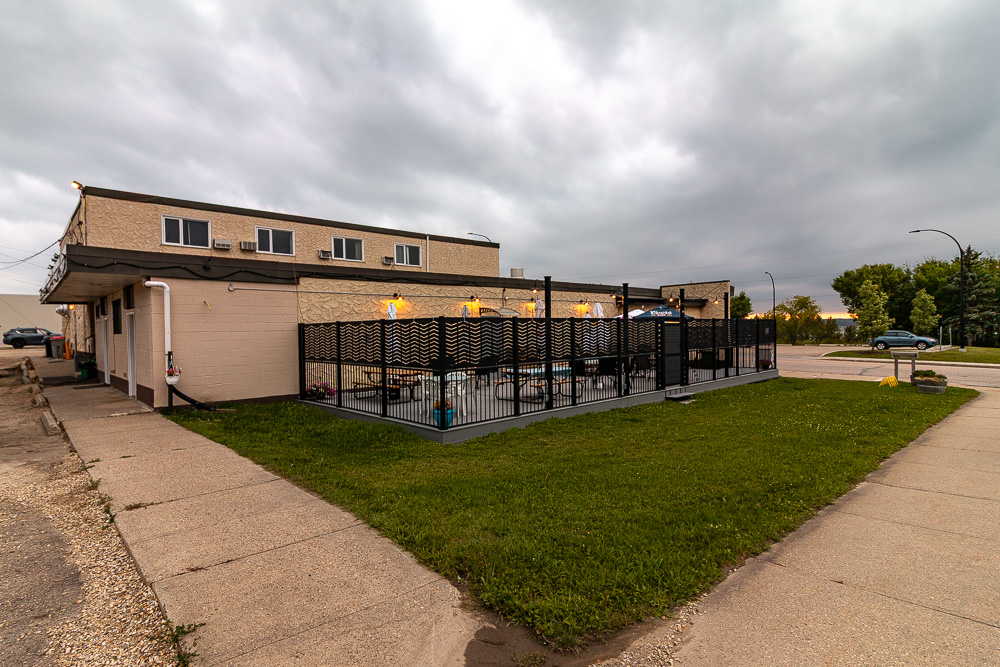
“This (hotel) a little more modern, at least, but there’s always something that seems to go wrong. Sometimes it’s a struggle. Just had the patio built just this year.” – Jonathan, speaking of the constant work needed for upkeep and like.
“I’ve been coming out to this Lake Wabamun since 1957. My dad came to her (my Mom) and said, you know, let’s take out a mortgage and buy this place. We can always buy a house, but we might not always have a chance to buy this place. And they did. No power, no heat, no running water, so very, very primitive. I remember coming out here on the dayliner from Edmonton with my mother.” – Richard, speaking of knowing the town since an early age and of a house his folks bought here.
Many area residents, until recently, were employed at nearby open pit coal mines and power generating plants. The nearby Wabamun Power Plant was decommissioned in 2010 and demolished in 2011. There are two other generating plants elsewhere on the lake, Sundance and Keephills, but they have been switched over to natural gas, so the coal mines are no longer active.
Boating, fishing and tourism are big draws locally and there are many summer cottages and homes all around the lake. Even in the old days the lake was a popular tourist destination and this kept many people employed, at least seasonally over the summer months.
The surrounding area also supports agriculture, including on some reclaimed coal mines properties.
Today there are a number of open businesses in Wabamun including a few restaurants, a bank, a gas station, a couple of motels, a drug store and a hardware store. Most are in the downtown core and within sight of the hotel. Many operate out of newer buildings. That it is relatively close to Edmonton means a lot of locals travel to the city to do their shopping.
In the past Wabamun had about as many businesses as it does today.
This town follows the 50th and 50th street numbering convention of many other smaller Alberta prairie communities. However, in this instance the main avenue is 51st and it parallels the railway tracks. The main business street in the townsite is actually 52nd and the current hotel is situated on the northeast corner of it and 51st Avenue. That is a bit odd, and usually 50th and 50th is the most important intersection and where many of these old hotels can be found.
“This is the very first bar that I snuck into with fake ID in 1973, because they wouldn’t take my ID at Gainford. We tried, we tried it at, at Gainford. They wouldn’t accept it. So we came down here and they accepted it. And I grabbed a whole bunch of beer and my friends were waiting outside and out we went with the beer and off to a bonfire. And that literally growing up, that was the weekend thing was we wouldn’t stay in the bar because that was kind of pushing our luck. So it was go in, get off sales. Because the other thing is we had an Alberta liquor store up here in and there was no way they were going to let me buy anything there.” – Richard – back in the day you could only buy liquor at a government store, or offsales at a hotel Beer Parlour.
“Because we had the poker rallies, we had the bikes here. Every summer, at least four or five times throughout the summer. But COVID really changed everything in the industry.” – Vicki. Covid changed everything in the business and many old hotels are still recovering.
The first hotel in Wabamun was called the Lakeview and it was built about 1913. It was owned and operated by CH Dunn. A tall, skinny three story structure, it had thirty rooms, a large dining hall and licensed premises. There was a player piano in the dining room and dances and impromptu concerts were held, often by guests of the hotel.
A short time later Dunn sold the hotel to Martin Forster, who immediately set about enlarging the building. He added a section to the front consisting of a large rotunda with a beautiful fireplace, a ladies lounge, and extension to the bar, and a large two story veranda across the front. Alfred Broadhurst was the architect. The hotel had towers added on each side from which guests could obtain a splendid view of the lake. The building evolved from something rather simple and plain to an elaborate structure, with a stately castellated appearance.
The Lakeview Hotel closed in 1918 but remained standing for about a decade. Prohibition in Alberta commenced in 1916, and this event, plus the outbreak of the First World War a couple years earlier, no doubt, contributed to its demise. The exact location of this business has not been confirmed, although it was somewhere close by in the downtown area.
There was a second hotel in Wabamun during the 1910s and it was called the Royal George (or King George). It was destroyed by fire in 1917. A King Edward Hotel is also mentioned in some random papers we found in an archive, albeit only briefly and with no timeline or other information. The owner of the current Wabamun Hotel mentions hearing of a King Edward Hotel too, but only vaguely.
It seems phone service in this part of Alberta was spotty in the 1920s and we have not been able to locate all the directories from that era. We could not locate any mention of either a Royal George or King Edward Hotel in any we browsed, nor in early Henderson Directories, which were independent of the phone company and quite thorough in their information.
“They used to have CN used to come in here with the working gang. This bar was a happening place. This bar was always full. Yep. Because we had young people working on the railroad and they would get fed over there and then they would come in here and of course drink, right? Yes. Because they worked hard all day and they got money. And they’ve got a lot of energy to get rid of. Lots of it. The coal miners would come in here. This is just the place they would come to after they finished their shift at work. – Doris & Ron, speaking of the hotel forty years ago.
“So I get up every morning and I look out my front window at, at this lake and the sunrise. And isn’t that the most beautiful sight? Oh, what a, what a way to live.” – Richard, who still lives by the lake.
In the early 1920s, just before prohibition came to an end, a W Walker opened up Walker’s Hotel, sometimes listed as the Wabamun Hotel. It also had a Confectionery and Ice Cream Parlour. They did a good summer business thanks to the tour trains bringing visitors out from Edmonton. From the local history book Hills of Hope:
“The days of greatest excitement were May 24th, July 1st and Labour Day when the railway ran excursion trains to Wabamun from Edmonton. The train arrived in the morning and locals would greet the arrival of the train. Then any residents with free time were pressed into service as extra help at hotels, restaurants and ice cream parlours.”
The Walker Hotel vanishes from directories in the early 1930s.
A Wabamun Hotel shows up in the mid 1940s, with a Jos Dumont listed as the proprietor. The post Second World War period was a boom time for Beer Parlours in general, but also for Wabamun. It became an even more popular outdoor mecca for folks from Edmonton, and it seems it was a good time to be in the hotel business. A mid 1950s photo from the Molson Brewery archives shows the building and it appears older than if it was a 1940s build.
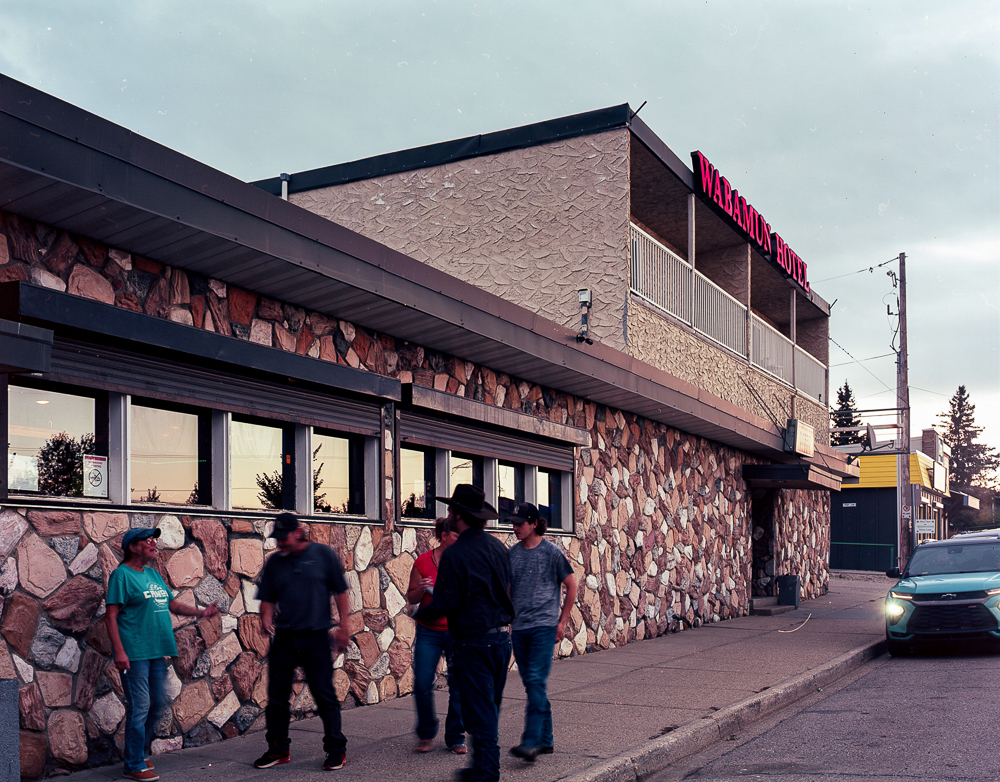
The current structure replaced it in the early 1960s according to the current owner. The local history is silent on the subject, but by appearances that seems about right. It has that early ’60s architectural vibe. What happened to the earlier hotel is not mentioned in the history book, oddly. A couple locals told us a fire, but nothing came up during our research.
“Every Saturday, every Friday night, guaranteed, this place would be full. (The bar had) those round tables, and they would fill them full of draft. Draft was $0.10. $0.10 a glass!” – Doris & Ron.
“I’ve had one family, three sisters, work for me. Since they were all age 18. Most of my staff have been with me for years…Some 10 plus years…I sort of raised them. The girl that’s out front right now, she worked for me when she was 18. Probably worked here about five years and then she went on, got married, had kids. Now she’s back again. And I’ve had several of my staff do that same transition. They worked for me, and then they went on their way. And then they ultimately came back. My staff are important.” – Vicki.
Incidentally, the current building occupied a spot one over from the earlier hotel. With additions and changes to the building over time, it’s spilled over into that area. Most noteworthy is the single story section to the left of the building, that allowed for an expansion of the bar. Beer is where the money is. An inspection of the basement confirms later additions by way of obvious seams or differences visible in the concrete foundation .
In the mid-1970s, T and W Brusnyk ran the show.
It’s believed the hotel has had a restaurant on the premises since it was constructed. At the time of our visit it was between operators, but we understand it re-opened as the Oasis shortly afterwards. This eatery also doubles as the kitchen for the bar, so while there was no food service on our visit, it should be back now.
They still rents rooms too, but tend to cater to longer term work crew tenants and the like.
The Wabamun Hotel is one of the more modern that we have visited and is one of only a few from that era documented by the Beer Parlour Project so far.
Wabamun, Alberta: Population 680 and it is located in Parkland County, 70km west of Edmonton.
“Last night all alone in a barroom
Met a girl with a drink in her hand
She had ruby red lips, coal black hair
And eyes that would tempt any man”
George Jones – Almost Persuaded
Click image to open lightbox.
35mm = Contax 35mm Film
4×5″ = Ebony 4×5″ View Camera
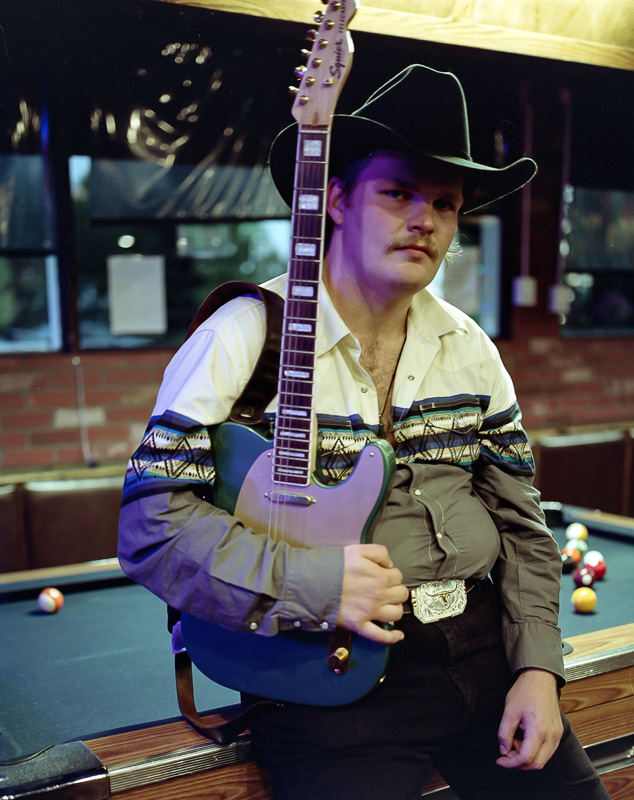
Film images may reflect the unique challenges & difficulties of shooting in these low light environments.
Know more (new tab): Wabamun Hotel, Wabamun Alberta