
Waldorf Hotel
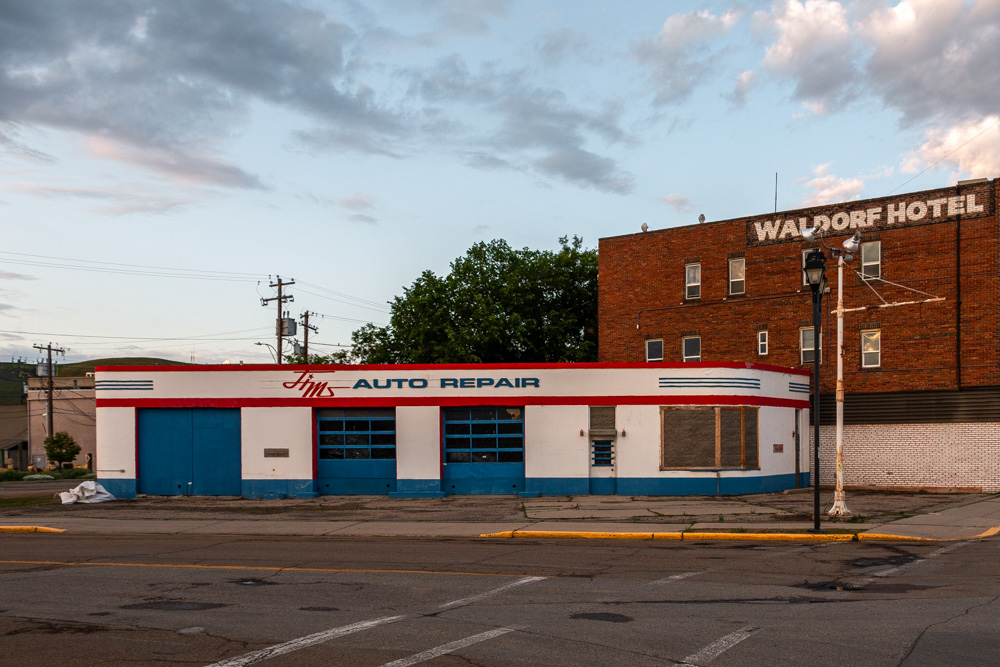
BP 29.0 & 29.1: Waldorf Hotel, Drumheller Alberta, likely built early 1920s. Visited June 14th 2025, & November 21st for a quick follow-up. Team: Rob, Chris & Connie. Guest photographers Arturo Pianzola & David Clarke. Camera Gear: Ebony 4×5″ View Camera (Film), Canon 6D & 70D. Arturo: Leica SL2. David: Nikon D810.
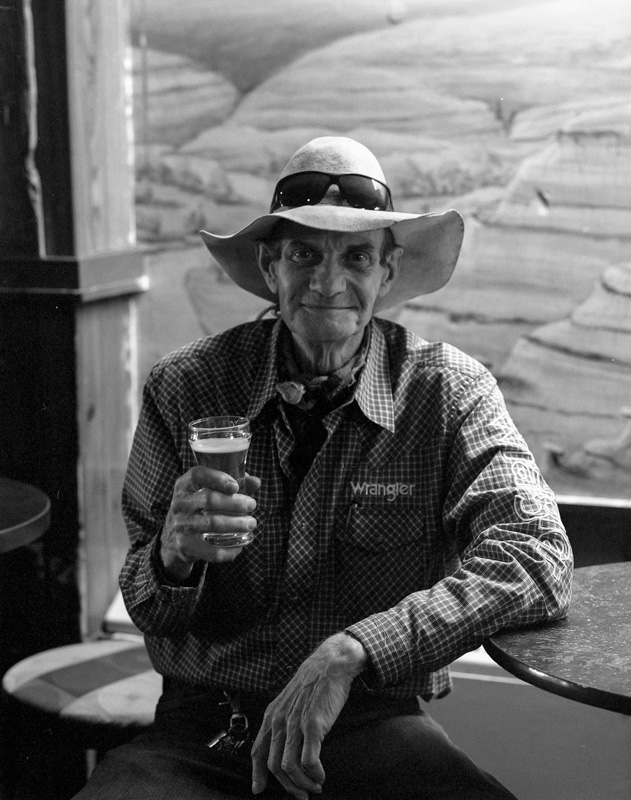
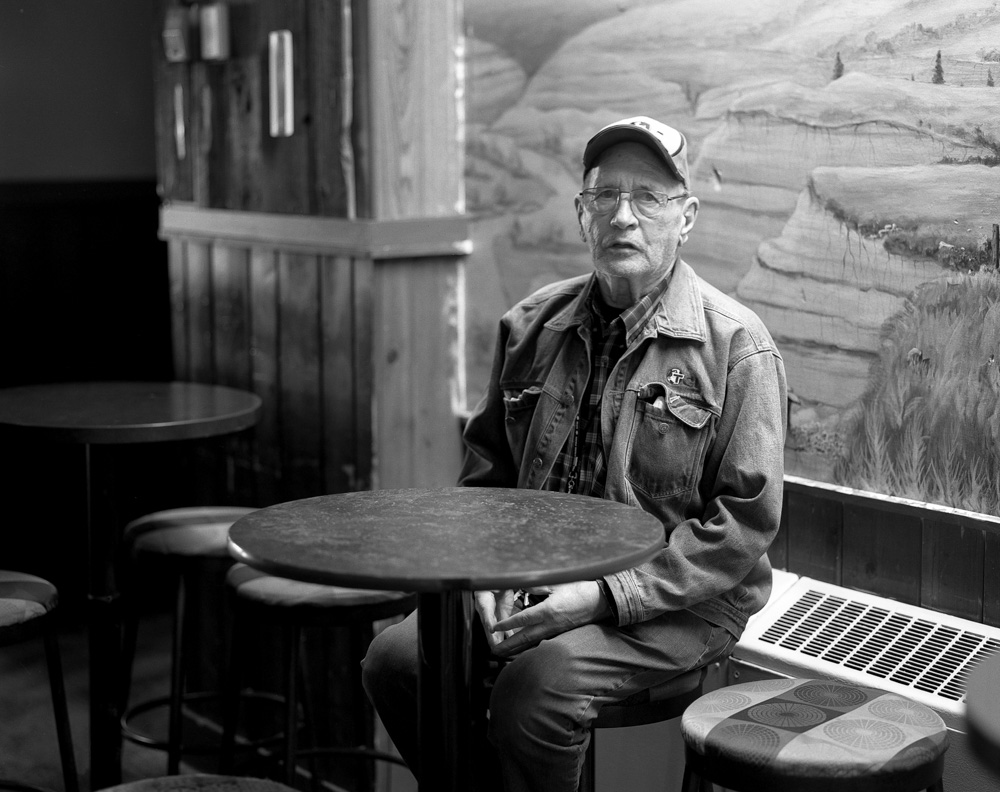
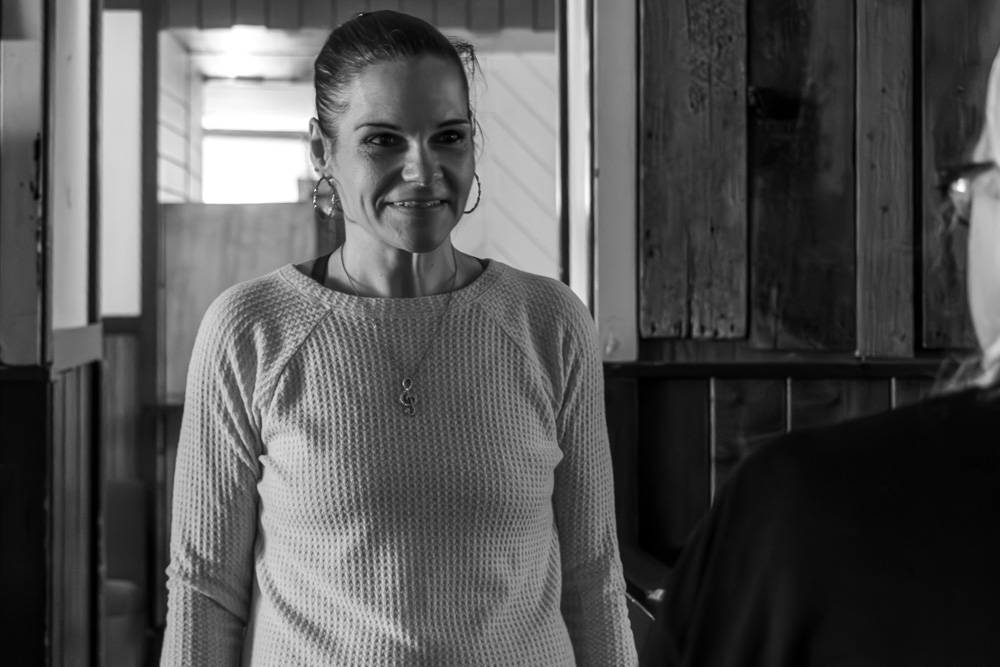
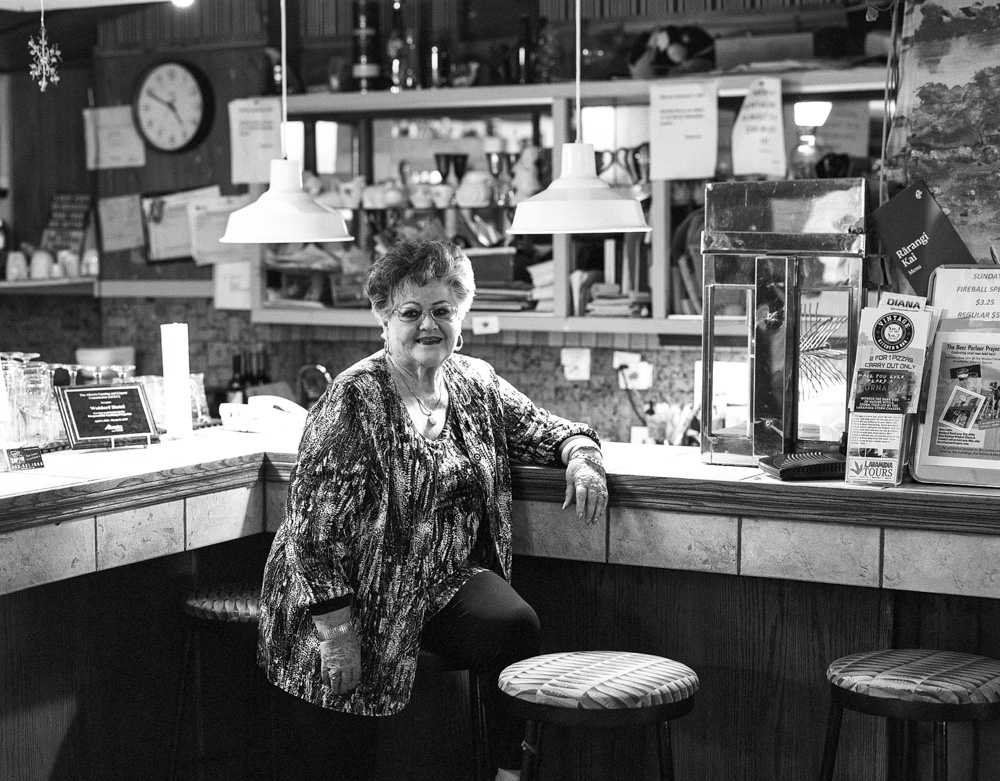
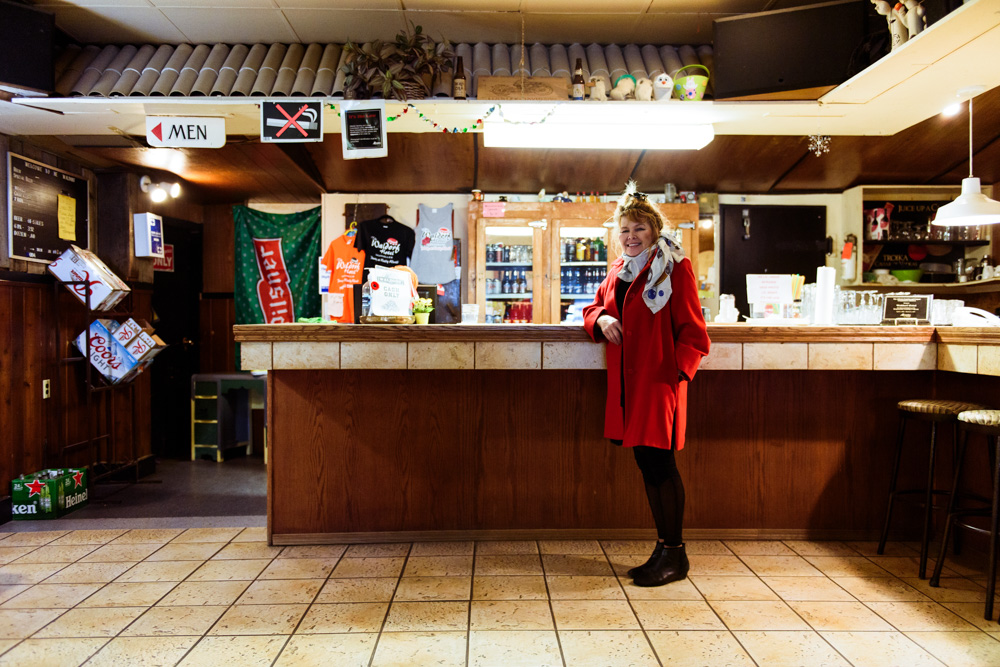
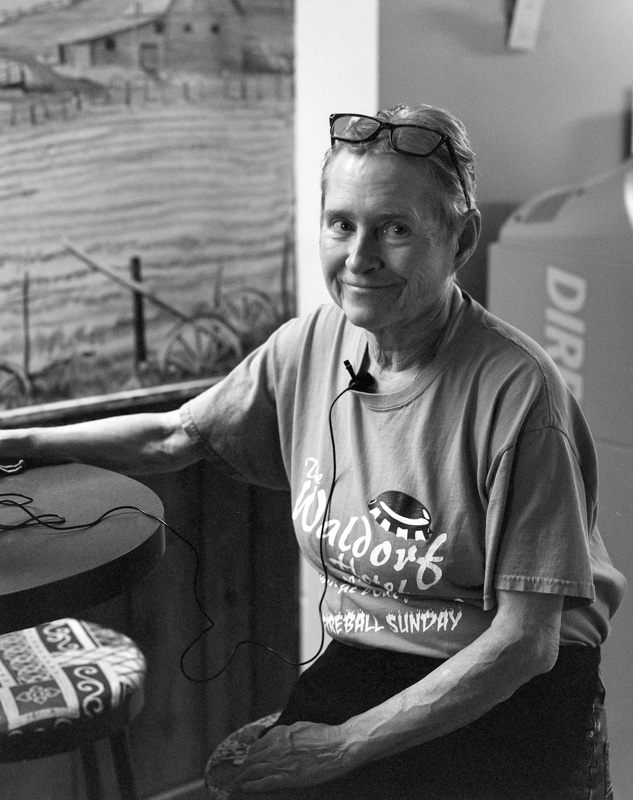
Interviews conducted with: long time patrons Jim, Richard (who declined photos) and Larry-Lew; Gail (server) and Liana (owner).
The land comprising downtown Drumheller Alberta was once the homestead of Thomas Patrick Greentree. One Samuel Drumheller then acquired the property and staring in 1911 laid out the community which took his name.
Shortly after reaching town status in 1913 Drumheller’s population stood at 2200. By 1930 it had risen to 3500 and this allowed it city status. That is remarkably fast growth and is mostly due to the expansion of coal mining in the area.
Through the great depression and World War II the population declined a little and dropped to around 2800. This count remained fairly stable through the 1950s and 1960s, despite most of the area coal mines ceasing operation.
The population rose in the 1970s partly due to the amalgamation of Drumheller with Newcastle, North Drumheller and Midlandvale. At times that decade it approached 6000.
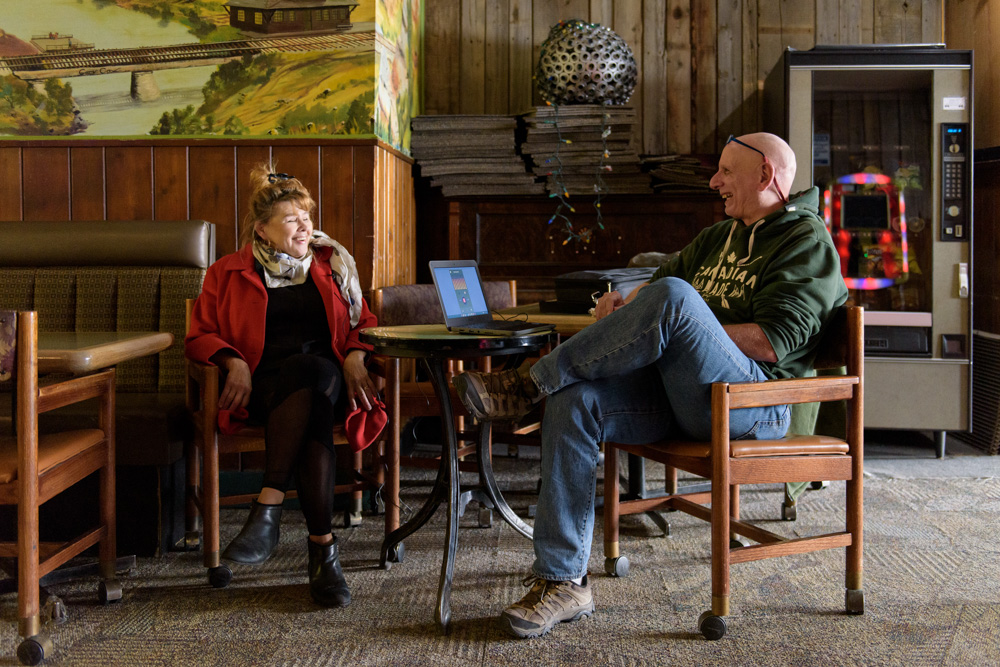
“That’s one thing this town, or this bar, they treat you courteously. Yeah. That’s why a lot of us old guys come here, but most of my old friends have died. That’s probably what you’ve seen, though, is a lot of old guys in here. And the lady that owns the hotel up there, she’s a heck of a good lady.” – Jim.
“There’s always the unexpected that’s going wrong, but I like old buildings. So, it’s always been really great. I’ve been here since 2002. And somebody said, why do you still own the Waldorf? And I thought, why not? For me, it’s a lot of fun.” – Liana, who seems to thrive on the challenges of owning an old building like this.
“I’m not scared of trouble, eh? No, no! I’m a lot better than I was when I was 18. You know, I’m 63 now.” – Gail, being fearless when it comes to dealing with unruly patrons.
In 1998 Drumheller reverted back to town status and as a new municipality absorbed many of the outlying communities in the valley including Rosedale, East Coulee, Nacmine and others. As a result the population has grown to over 8000, but it is well spread out over several former towns now.
Like most towns in the prairie provinces it was the coming of the railway that initiated the development of the town. The track through here was the Canadian Northern’s Alberta Midland line, which ran from a point close to Edmonton and down to Calgary. It was in full operation by the mid-1910s.
A second connecting line into Saskatoon and splitting away from the other, a bit north of Drumheller at Munson, was built at the same time. Traffic was pretty steady on these lines at the beginning, but the section to Saskatoon soon had the heaviest traffic.
Prior to the arrival of the railway, there were numerous small coal mines in the Drumheller area. Once the trains arrived, however, it was then done on a commercial scale. Trains not only hauled from the many mines, but also grain from all the agricultural production in the immediate area. Up above the valley.
Coal mining declined in the 1950s and was essentially dead by the next decade. For a time coal was king, though, and during the boom years there were over a hundred mines, many big operations, in the valley from Nacmine in the west, to East Coulee in the east.
“There were bar fights in here, wild ones and I remember…and…I was sometimes part of them too” – Larry-Lew.
“I started working here 45 years ago, 1980 in June, for about seven years. Then I worked at the other bars, the Alexandra Hotel (ed: next door – no longer a hotel) and I worked at the Rosedale Bar. And then I worked up in Rocky Mountain House at the Mountain View Hotel. I just came back here six years ago, put a resume here at the Waldorf and they hired me.” – Gail, on her long association with the Waldorf.
The Canadian Northern Railway, along with rival Grand Trunk Pacific, were both near insolvency due to their ambitious expansions in the 1910s and early that next decade had to be saved by the federal government. Combined, they became Canadian National Railways. With this the old Alberta Midland line from Munson north reverted to branch status. Passenger service on that section lasted until 1981.
What is left today of line Munson north is used by the steam train tours between Stettler and Big Valley. The rest of the track has mostly been removed.
During research we were unable to confirm the exact construction date of the Waldorf Hotel. However, it first shows up in phone directories in 1922, so it was likely just before this time. Drumheller had telephone service from the start, so the hotel probably had a line as soon as it was built.
It appears some small stores or businesses stood on this property before.
Prohibition was still in effect at this time, but in the early ’20s it was clear that it would soon be coming to an end. That happened in 1924 and the hotel was likely built in anticipation of this. Hotel Beer Parlours were always a big profit centre.
“Since 2002, we’ve been ongoing renovating. And some rooms look so bad, you’d think you’ve never renovated them. And in those 23 years, they’ve been done at least three times. People are hard on them, yes. But we have some on Airbnb now. And every room we have available is booked right now.” – Liana.
“I am Richard and I’m in the Waldorf Hotel, nicknamed Wally World.” – Richard, introducing himself on the interview.
In December 1935 a fire nearly destroyed the Waldorf and it was well covered in newspapers of the time, including the Calgary Herald. Rebuilt over the next couple of years, we were unable to confirm if it was in the same form as the original or not. But it was probably so, or at least close. A photo showing the burned remains seems to suggest this.
We have yet to locate a date-confirmed photograph from the time before the fire. Other images uncovered during our research show a burned hotel stated as the Waldorf, but we believe they actually show the adjacent Alexandra Hotel, which also went up in flames in a separate fire during the 1930s.
The Waldorf fire started in a nearby building and not in the hotel itself. In the garage next door, where it began, 15 cars were lost. There were no reports of casualties or injuries, but losses were said to be in the range of $40,000. That is a good sum for the time and any newspaper accounts highly suggest it was a complete write off.
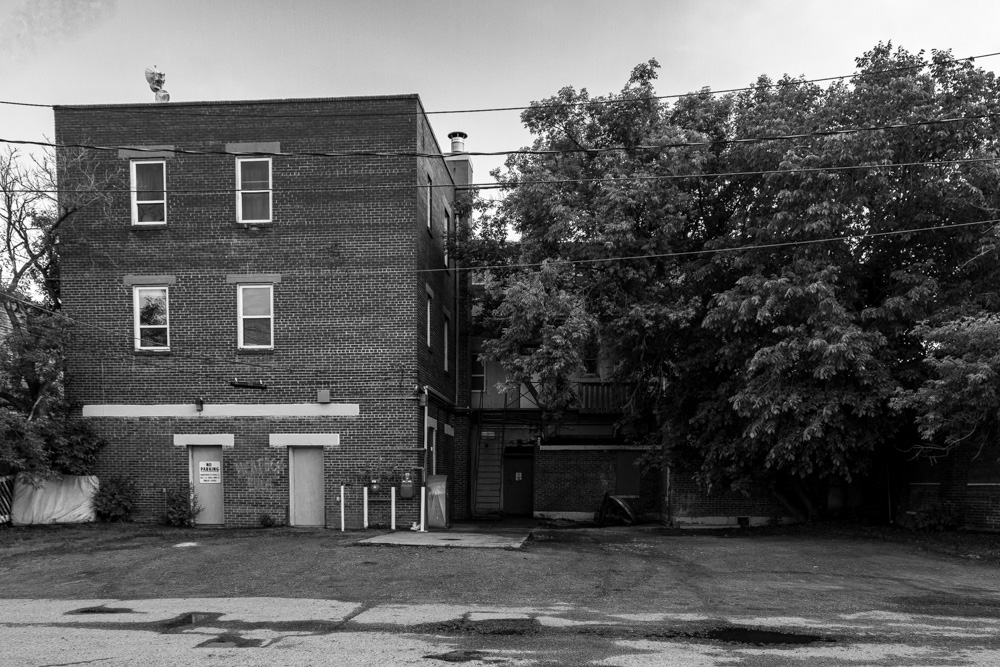
After reconstruction, the hotel was expanded upon on the east side. There is a distinct seam visible in the facade with different bricks and larger windows in that addition.
“I knew a lot of farmers and a lot of the old coal miners. And I used to sit with them and they would talk about their stories, and I loved it. That’s how I got to love this bar. Because you could talk to the old people, and they’d tell you their stories.” – Richard.
“Every second Wednesday we have music here, from 4 to 8. On December 3rd, it’s going to be the full band, because on December 5th, they are opening for Charlie Major in Red Deer. Yes, and I actually sing with them too, but I’m not in the set that opens for Charlie, which makes me sad, because I wanted that on my resume.” – Liana, on being musically inclined herself.
An interesting article in the Calgary Herald from a few days after the fire, reports that management made an application to the City requesting a permit to effect temporary repairs to the standing portion of the building. This would enable them to operate the beer parlour for the remainder of the winter while work on the rest the building proceeded.
The remains were still warm and much of the building was no longer standing, but they wanted the beer flowing. There were a lot of thirsty coal miners working in the area in those days and that business would help with the reconstruction. It is not said what specifically came of the request.
Another article from the Calgary Herald, dated prior to the fire, has the headline “Died when thrown from Beer Parlour” It goes on to say, “Because John Twardochlib (or Twerdochlib) was forcibly ejected from the Beer Parlour of the Waldorf Hotel in that town [Drumheller] and died as a result of injuries sustained, his widow and six children were awarded damages of $22,611.”
It is not known why the name Waldorf was chosen. It may have been to associate with the very posh and well regarded Waldorf Hotel in New York City, but it is only a guess.
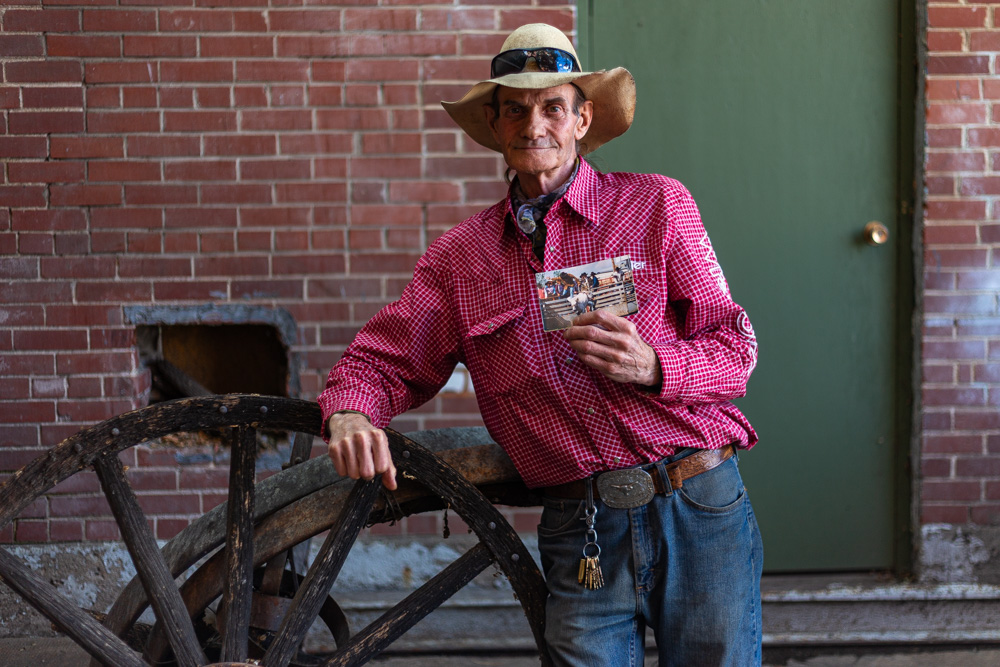
“I’m Larry-Lew, raised in the Hand Hills where cowboying is cowboying. I was probably 14 years old (when I first visited the Waldorf), so being 72 now…I can’t do the math because I’m not that highly educated. At 14 years old I was branding at the Pew Ranch, which is a downstream down the river here” – Larry-Lew, speaking of being a bit underage when he first visited the Waldorf (legal drinking age in the ’60s was 21).
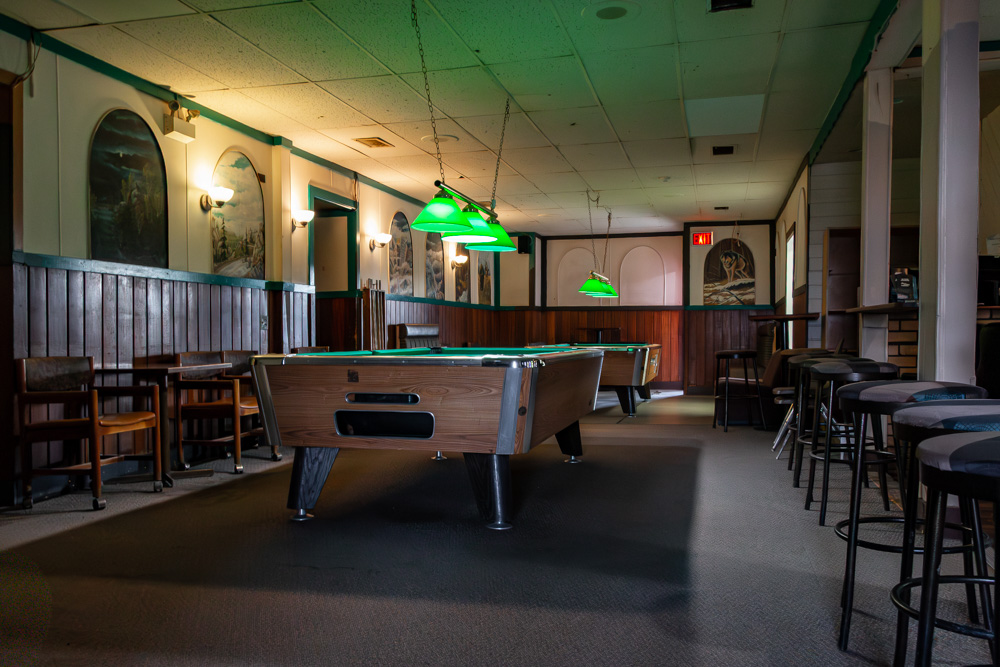
“Forty five years ago, it was packed. There were three waitresses, two bartenders, and we had two bands, one on this side and one on that side. We worked from 10 in the morning till 1 in the morning.” – Gail.
A late 1920s Henderson Directory lists this ad: “Waldorf Hotel, J Hanns Proprietor, Nicely Furnished. Steam Heated.” Like many hotels of the era, the Waldorf had a 24 hour public phone station and this noted in the ad. The owner during this era is sometimes shown as Kate Hanns, and at other time both J and Kate are listed together. They were connected to the Waldorf at least into the 1940s.
By this point directories stopped listing owners names, so the trail ends.
A 1947 ad reads: “Steam Baths and Showers – A Home Away From Home for Travellers. Waldorf Hotel Co. Ltd., 70-80 Railway Avenue West, Phone 623.” The hotel address is 70 Railway Avenue to this day. The trains are long gone, but yet the street name oremains.
The gardens for the original train station were right across Railway Avenue to the south of the Waldorf. The station itself was a little to the east of that. The track was permanently closed around 2010, and the rails pulled up a few years later. Today sections of it are a walking and cycling pathway.
“You know, so he (my dad) drank in this bar probably 70 years. Yeah, I’m the same way, but only 50 years in this bar. I’m sixty nine in two months and it’s hasn’t changed much” – Richard.
“We had a restaurant just on the other side of this bar. I tell you, the food was great. They made pizza and it was awesome. But that went away a while ago. I don’t know exactly but heard they closed it about 20 years ago.” – Gail – the Waldorf is one of the rare hotel pubs that doesn’t offer food service now.
Being on Railway Avenue, almost immediately across from the train station was a highly desired location and in Drumheller, there were several other competing hotels close by. All wanted the business that came as a result of the trains.
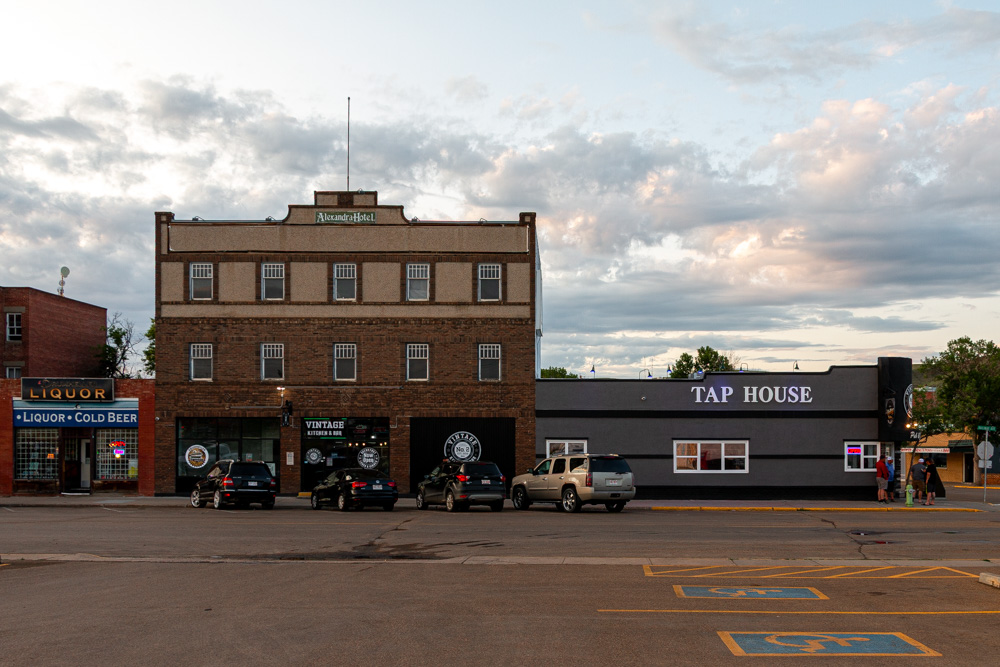
The Alexandra Hotel is adjacent to the Waldorf to the east, and was even closer to the station. It still remains and still looks the part. There’s a restaurant and bar there, but no longer operates as a hotel. We’re told they have tried to turn the upper floors into apartments, but have not heard anything about this recently.
The best real estate was claimed by the Whitehouse Hotel, no longer in existence, on Railway Avenue and Centre Street. That put it right in front of the station, so it likely was the first thing anyone saw after getting off the train. A St Regis, Metropolitan and Savoy Hotels are mentioned in very early directories, but their exact locations are a bit unclear.
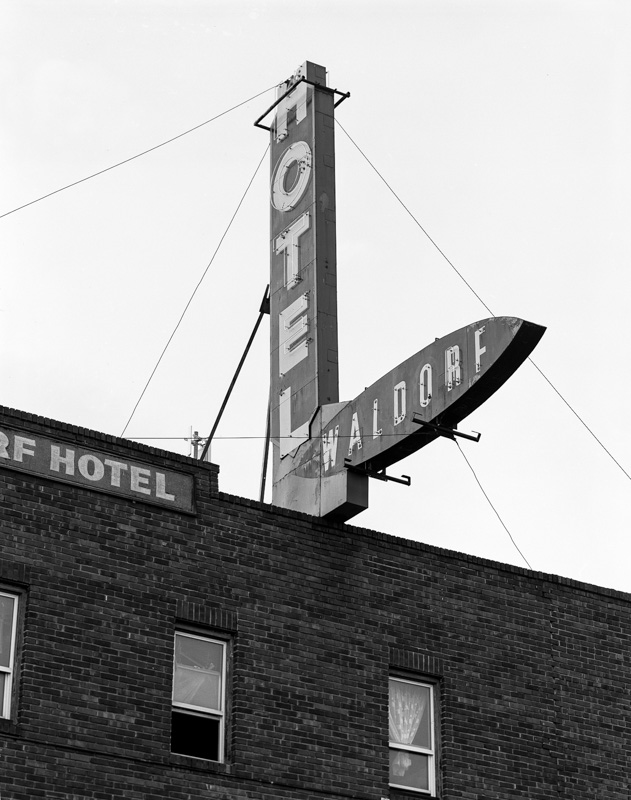
Today the Waldorf is the last remaining original hotel in town. The old neon sign up on the roof appears in historical photographs dating back to the 1950s.
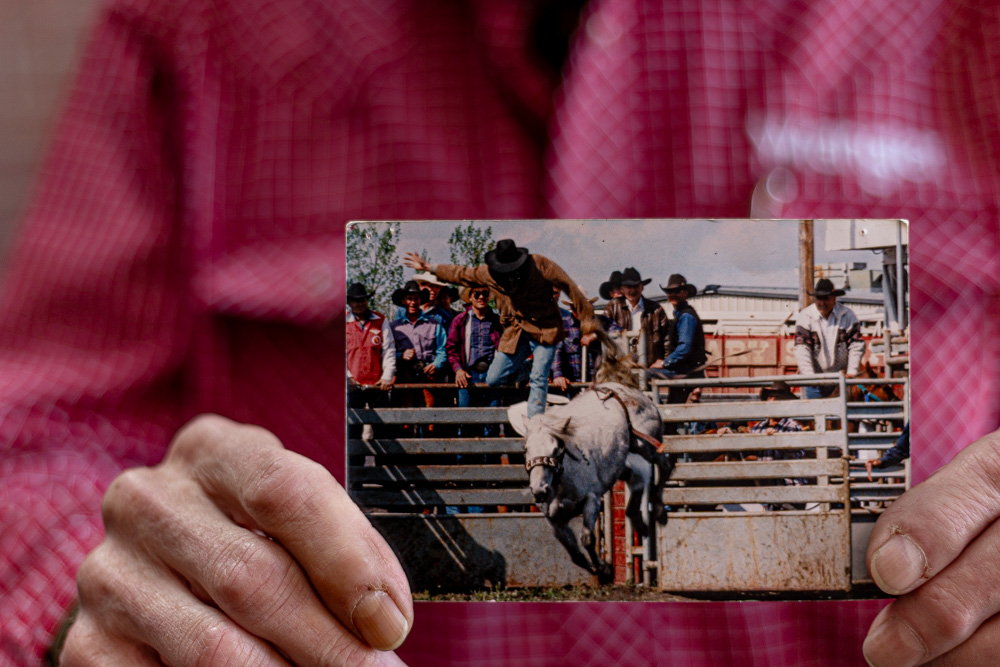
“Yeah, I got titanium hips and femurs and in my right arm and hand. And if they’d let me, I’d still get on a bucking horse to this very day. I would, but they won’t give me insurance, and without insurance, you can’t do it no more.” – Larry-Lew, reminiscing about not being able to do rodeos anymore.
“It’s kind of weird when you’re looking, we saw it on the Netflix and you see it and you see your own place there, you know. It’s funny and shocking knowing how it’s not just another room, it’s familiar. It’s your room, you know. Gail was in the film when they did it and was an extra. I didn’t do it because I was too busy.” – Liana, speaking of the Jude Law film “The Order” where the Waldorf appears.
The Waldorf Hotel had a coffee shop for many years, though the exact dates are unknown. In years past it also housed a school of dance, and a man taught accordion lessons there for many, many years. He posted newspaper ads regularly in that regard and who would thought the instrument was that popular.
A Yellow Pages ad from 1980 states: “Waldorf Hotel, Licensed, visit our Sportsman Tavern, Coffee Shop, Air conditioned, reasonable rates, with TVs”. By the mid-1980s the establishment was listed as the New Waldorf in directories.
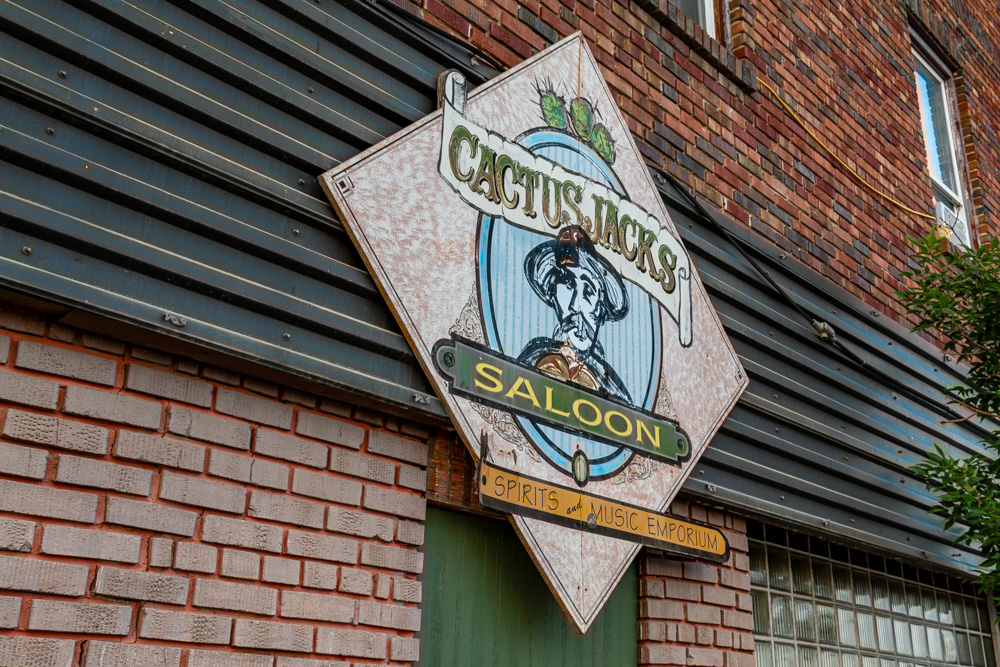
The bar became Cactus Jacks Saloon later on, they added VLTs, and the coffee shop became a licensed restaurant. In 2000 new management is mentioned and that thirty rooms are available for rent. The current owner took possession in 2002. There is no longer food service available, but rooms are still rented, both long and short term.
The discovery of numerous dinosaur fossils in the badlands of the Red Deer River Valley has seen Drumheller become a popular tourist destination. The world renowned Royal Tyrell Museum is a huge draw and during summer months the town’s population swells significantly as a result.
Most residents of Drumheller work in agriculture, the petroleum industry, tourist services and at the nearby Drumheller Maximum Security Penitentiary. The community is situated essentially at the intersection of Kneehill, Starland and Wheatland Counties, as well as Special Areas Number Two.
Drumheller, Alberta: Population around 8000 and it about 135km northeast of Calgary.
“Yeah, I got friends in low places
Where the whisky drowns
And the beer chases my blues away
And I’ll be okay
Yeah, I’m not big on social graces
Think I’ll slip on down to the oasis
Oh, I got friends in low places”
Garth Brooks – Friends in Low Places
Click image to open lightbox.
4×5″ = Ebony 4×5″ View Camera
Film images may reflect the unique challenges & difficulties of shooting in these low light environments.



Know more (new tab): Waldorf Hotel Drumheller Alberta